Water Wave Textures: Enhancing Creativity with High-Quality Digital Assets
In the world of digital design, textures play a crucial role in adding depth, character, and visual interest to projects. Among the many available options, Water Wave Textures stand out as a versatile and professional choice for designers, marketers, and creators looking to elevate their work. These high-resolution textures offer a unique blend of creativity and practicality, making them an invaluable asset for a wide range of applications.
What Are Water Wave Textures?
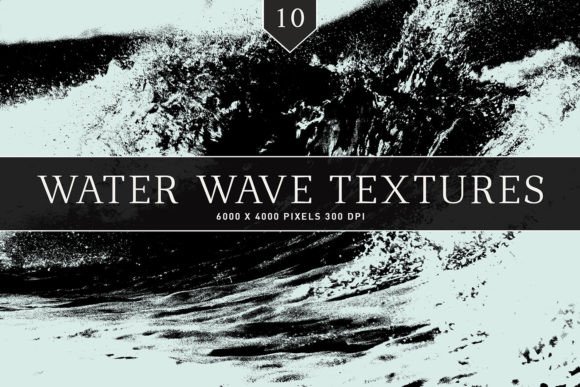
Water Wave Textures are digital texture designs that capture the essence of water movement, ripples, and waves in a stylized and abstract form. Unlike realistic water simulations, these textures are designed to be used as overlays or background elements that add subtle motion and fluidity to any project. They are ideal for creating a sense of depth without overwhelming the viewer with too much detail.
The design is both creative and professional, offering a balance between artistic expression and technical precision. Whether you're working on a website, social media post, or print material, these textures can enhance the visual appeal of your content while maintaining a cohesive aesthetic.
Key Features and Specifications
One of the standout features of Water Wave Textures is their high resolution and quality. Each texture is provided in JPG format at a resolution of 6000 x 4000 pixels, ensuring sharpness and clarity even when scaled up. The 300 DPI resolution makes them suitable for both digital and print use, eliminating the need for additional resizing or sharpening.
Designed with RGB colors, these textures are optimized for screen display and can be easily integrated into various design software such as Adobe Photoshop CC or higher. This compatibility ensures that users can seamlessly incorporate the textures into their workflow without encountering technical barriers.
Practical Applications and Use Cases
The versatility of Water Wave Textures makes them applicable across a wide array of creative fields. Designers working on Canva backgrounds, text overlays, or social media banners can benefit from the subtle yet dynamic effect these textures provide. For example, using a wave texture as a background for a product launch can create a sense of movement and energy that draws attention to the content.
Marketers and entrepreneurs who need business cards, branding materials, or website designs will find these textures useful for adding a touch of sophistication and originality. In the realm of digital scrapbooking or photography albums, they can serve as elegant background elements that complement photographs without overpowering them.
Additionally, party invitations, wedding designs, and craft projects can benefit from the soft, flowing nature of these textures. Their abstract style allows for creative reinterpretation, making them suitable for both minimalist and intricate designs.
Evaluating Quality and Usability
When assessing the quality of Water Wave Textures, it's important to consider how well they perform in real-world scenarios. The high resolution and clean design ensure that they remain visually appealing even when used in large formats or printed at high quality. The textures are also consistent in their application, which is essential for maintaining a professional look across multiple projects.
From a usability standpoint, the ease of integration into design software like Photoshop is a major advantage. Users can quickly apply the textures as layers or overlays, adjusting opacity and blending modes to achieve the desired effect. However, it's worth noting that more advanced customization may require some familiarity with design tools.
Who Benefits Most from Water Wave Textures?
Water Wave Textures are particularly beneficial for professionals and creatives who need high-quality, adaptable assets for their projects. Graphic designers, web developers, social media managers, and content creators can all leverage these textures to enhance their work. Additionally, small business owners and entrepreneurs looking to build a strong brand identity may find these textures useful for creating cohesive visual elements across their marketing materials.
For those involved in digital art or illustration, these textures can serve as a foundation for more complex compositions, helping to add dimension and realism without the need for extensive rendering techniques.
Limitations and Considerations
While Water Wave Textures offer numerous benefits, it's important to recognize their limitations. As abstract designs, they may not be suitable for projects requiring highly realistic water effects. Additionally, since they are static images, they cannot simulate actual water movement or animation unless combined with other techniques.
Users should also consider the context in which they plan to use the textures. While they work well as overlays or background elements, they may not be appropriate for foreground details or complex illustrations where more detailed textures are required.
Conclusion and Recommendations
Water Wave Textures represent a valuable addition to any designer’s toolkit. Their combination of high quality, versatility, and ease of use makes them an excellent choice for enhancing a wide range of creative projects. Whether you're working on branding materials, digital art, or social media content, these textures can help you achieve a polished and professional look.
If you're looking to add a subtle yet impactful visual element to your next project, consider incorporating Water Wave Textures. With their ability to enhance depth, movement, and overall aesthetics, they are a great investment for anyone serious about their creative work. As always, it's important to evaluate how well they fit your specific needs and goals before committing to their use.